Diesel Bug. What it is and how to prevent!
Microbial contamination in diesel fuels is most commonly known as the diesel bug. Diesel fuels, however, do not contain a single contaminant but rather a consortium of multiple organisms, including bacteria, yeast, and fungi, all of which settle and proliferate in the fuel. These organisms utilise the hydrocarbon fuel as a food source, and as a byproduct of their metabolism, they secrete a viscous, slimy material, which contributes to the formation of biofilm (or, as it is commonly referred to, ‘sludge’). This sludge can build up in filters and damage the entire fuel-delivery system and the engine, leading to the system losing its fuel-delivery functionality.
The presence of water in a fuel system is the greatest contributor to the formation of a diesel bug. This water can come in the form of condensation. Fuel systems that are temporarily closed (and then opened) to perform a quick repair, poorly made or unsealed fuel reservoirs, and other issues can introduce water into a fuel system. In the presence of water, and under otherwise favourable conditions (warm conditions and longer fuel storage duration), microbial growth can and will occur. Additionally, contemporary biodiesel-containing diesel fuels are more favourable for microbial growth than conventional diesel fuels due to their composition and chemical structure.
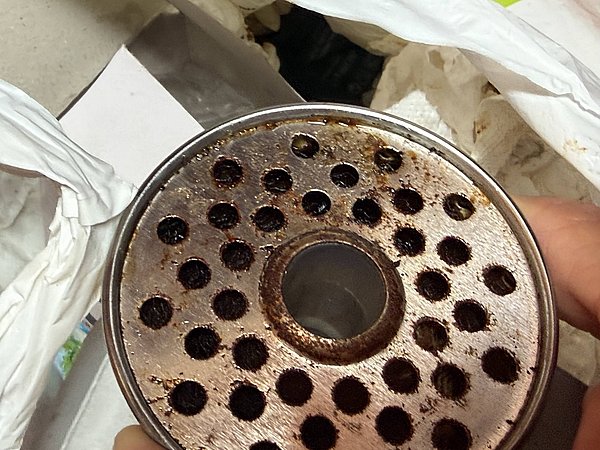
With the passage of time, the impacts of diesel bug and the biofilm that composes it will become apparent. One sign will be ending up with fuel filters that are regularly being clogged. This will be accompanied by evidence of biofilm (or, as it is more commonly referred to, sludge) that is black or dark in colour. In some cases, during operation, engine mufflers may discharge dark smoke, and the engines may lose power, exhibit erratic behaviour, or shut down. Should fuel lines or tanks develop internal corrosion, the repair costs can become exorbitant quickly, so prompt repair is critical.
Effective fuel management is the first defence against the diesel bug. The most critical preventative measure is controlling the water content of fuel. This is done by draining water separators, sealing the fuel storage tanks, and filling the tanks to minimise condensation. Fuel additives (particularly biocides) and fuel stabilisers also provide preventive and curative measures against the fuel bug problem, especially when fuel is stored for extended periods.
Routine maintenance is also critical. Fuel filters must be changed as recommended and system contamination must be managed by cleaning the system. Fuel must also be stored properly to manage fuel contamination and the bug. Fuel containers must be clean and diesel must be stored in cool and dry containers stored away from sources of contamination.
Contamination of the fuel system must be addressed without delay when diesel bug contamination is present. This means beginning by draining and cleaning contaminated fuel tanks and changing filters. Biocide treatment is also a necessary step in eradicating diesel bug. A complete tank clean and system flush may also be required to ensure the tank and system are diesel bug-free and free of contamination.
In conclusion, water contamination and poor management of fuel systems is the cause of the diesel bug. The problem is, however, easily managed by proper maintenance of the fuel systems and management of the diesel fuel.