 Watch the course introduction
Interested in another date? Get in touch with us
ContactDescription
This certificate is the level of competence required when chartering a boat in the Mediterranean or the West Indies, where there are restrictions on cruising areas and distances from the base.
If you don’t have any previous sailing experience, you should complete the International Crew Course before taking this one, or enrol in the Fastrack Bareboat Skipper program.
Pre-requisites:
- Candidates should be 16 years of age or over.
- To have logged with proof of a total of 200 nautical miles and 10 days at sea by the end of course.
- Must have taken IYT’s International Crew physical course with an IYT Partner School (candidates must either hold an IYT International Crew Certificate proving they have taken and passed the course, or they must hold an equivalent qualification from another training organisation.
- Hold an IYT VHF Radio Operators Certificate or equivalent from another training organisation.
The International Bareboat Skipper Course consists of Modules 13 – 25 in the IYT International Boating & Sailing Passport (Passport).
Included
Prerequisites
Organization
Course Organisation & Daily Schedule
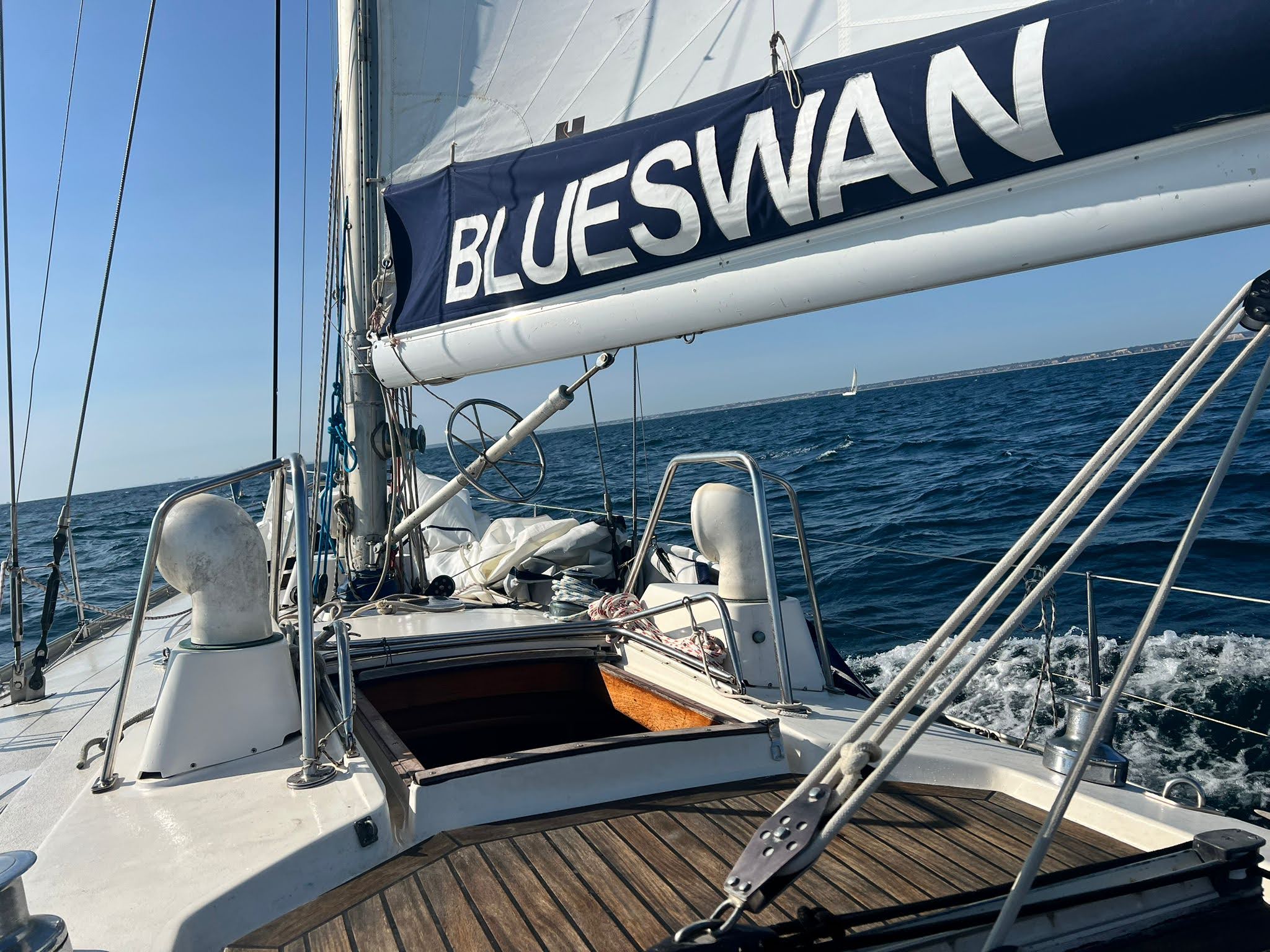
The IYT Bareboat Skipper course is an intensive, hands-on sailing experience designed to maximise your time on the water and develop your practical sailing skills.
Daily Sailing Programme
Each day, we sail to a different destination, making the most of the local sailing area. Throughout the week, you will take part in a variety of practical sailing exercises, boat preparation and handling drills, navigation exercises, and theory reviews directly related to the situations encountered at sea.
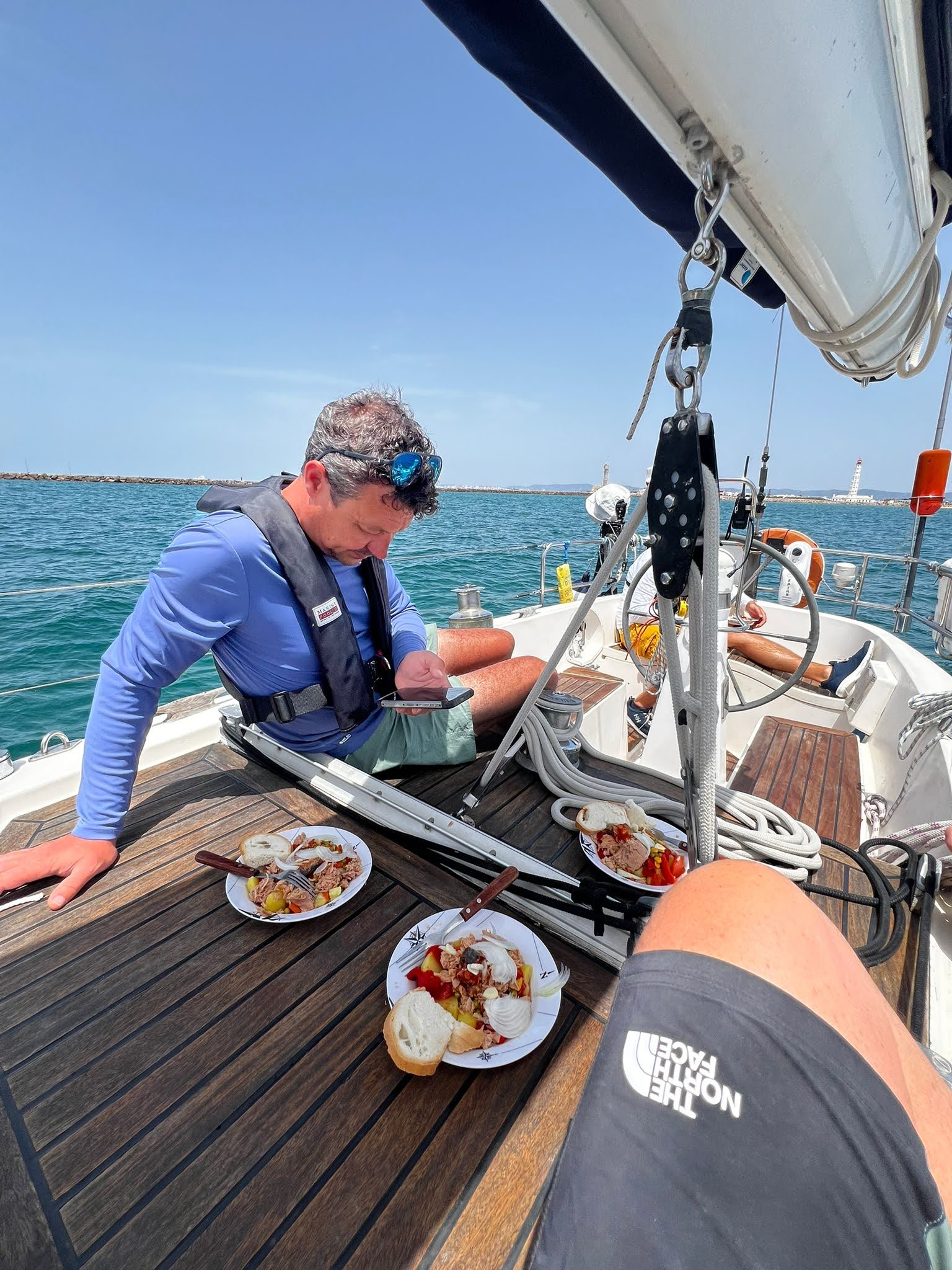
Rather than returning to the same location every day for lunch, we usually anchor in a beautiful and sheltered bay, where we enjoy a relaxed lunch break surrounded by the stunning scenery of the Algarve. However, to make the most of our time on the water, we may occasionally have a lighter lunch while sailing, allowing us to maximise available training time.
Course Syllabus & Training Programme
The following is an indicative breakdown of the main subjects covered throughout the five days. The programme is flexible, and subjects may be introduced or revisited depending on weather conditions, sailing opportunities and the progress of the candidates.
Day 1 – Yacht Preparation, Safety & Seamanship
- Introduction to the course and responsibilities of the skipper.
- Yacht familiarisation and onboard systems.
- Hull, rigging, engine and equipment checks.
- Safety equipment and crew safety procedures.
- Preparing the yacht for departure.
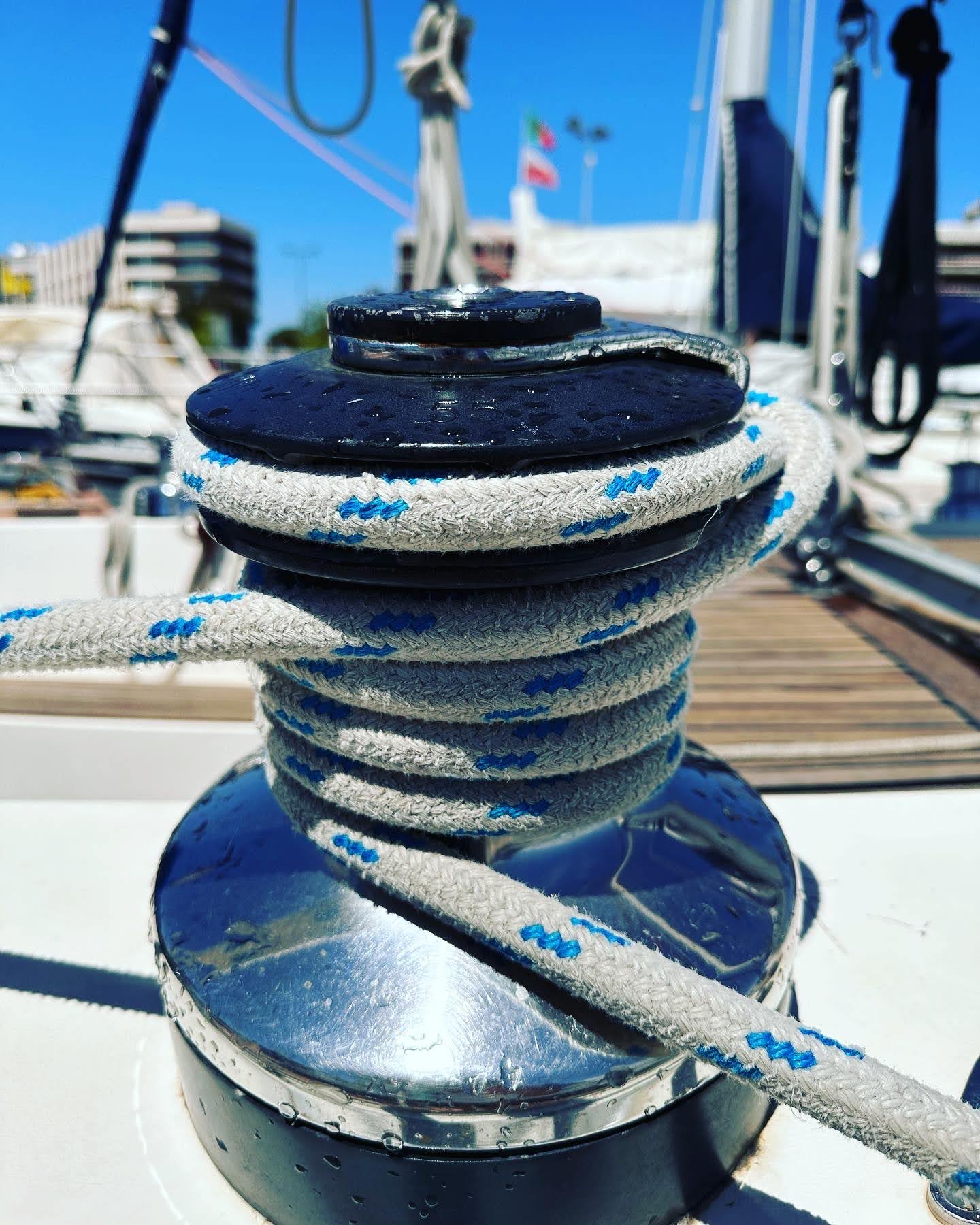
- Ropes, knots, winches and general deck work.Dinghy handling and safe access to the yacht.
- Basic sailing drills and sail handling.
Day 2 – Sailing Skills, Meteorology & Pilotage
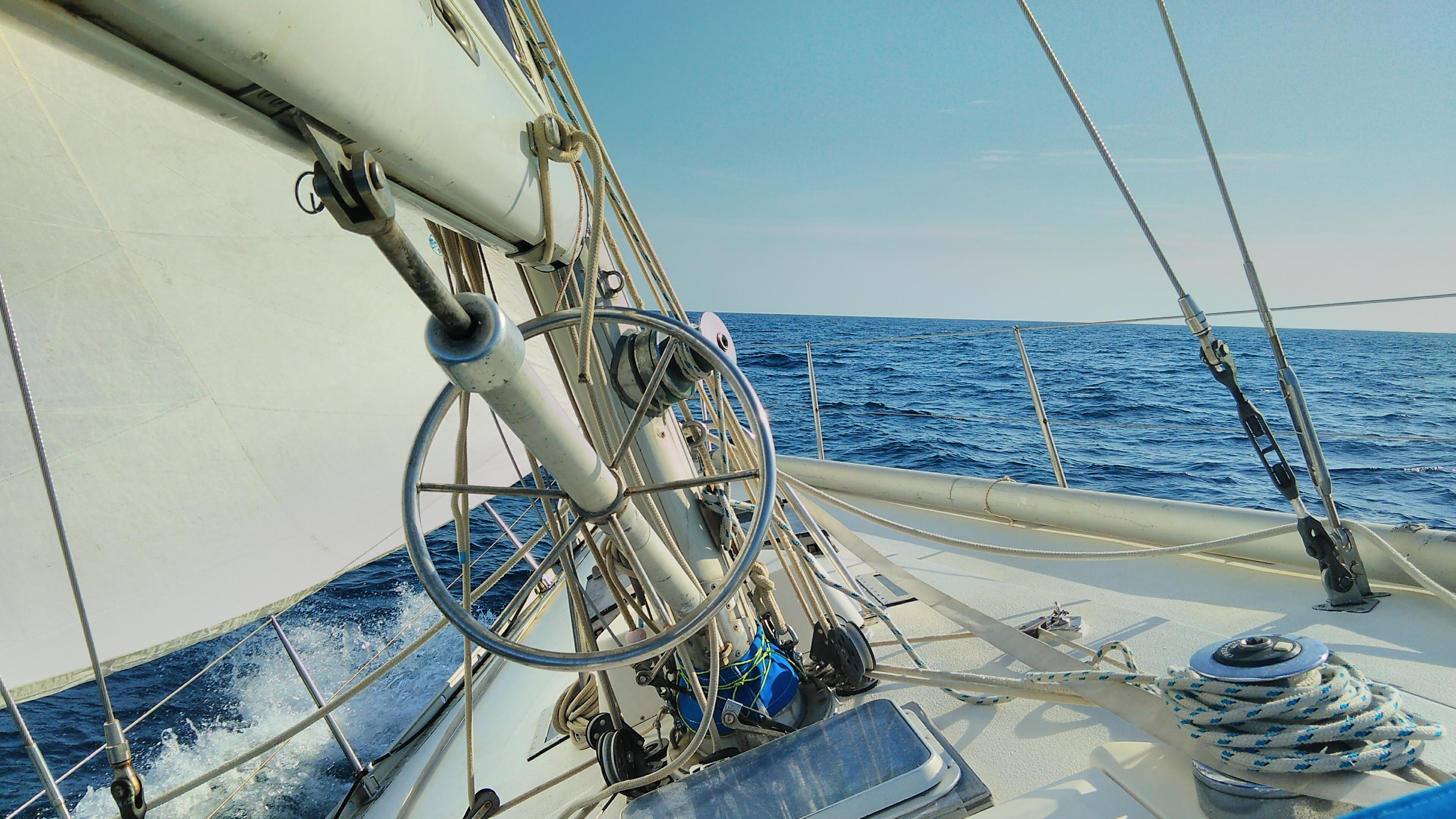
- Sail handling, trimming and reefing.
- Points of sail, tacking and gybing.
- Man overboard recovery procedures.
- Weather forecasts and sources of meteorological information.
- Weather patterns, sea and land breezes, clouds and wind conditions.
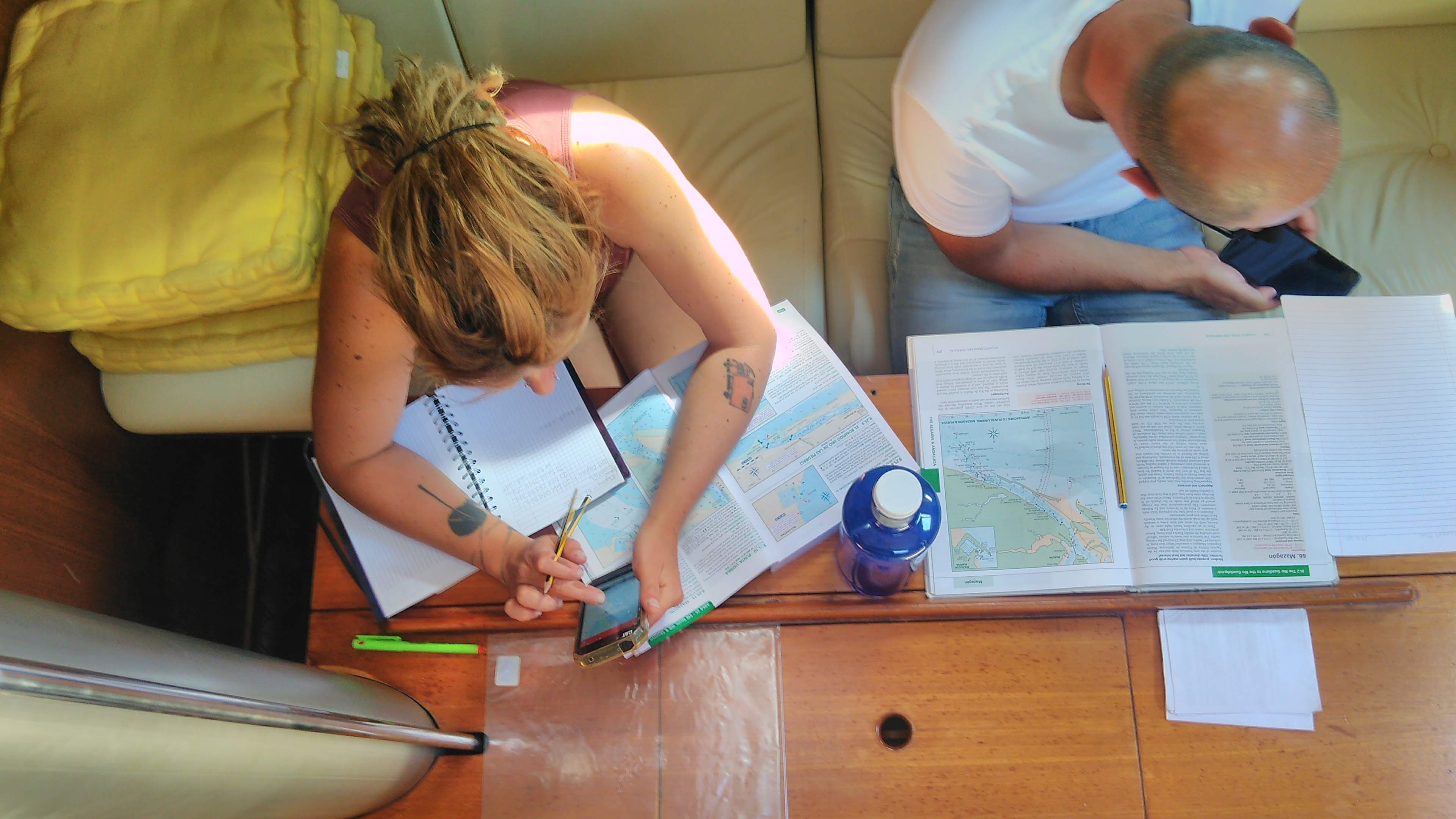
- Introduction to pilotage and coastal navigation.
- Planning a coastal passage and identifying potential hazards.
- Practical sailing exercises and navigation in real conditions.
Day 3 – Navigation, Charts, Tides & Currents
- Nautical charts and chartwork.
- Compass use, bearings and position fixing.
- Estimated positions and running fixes.
- Course, speed, distance and passage calculations.
- Tidal theory, tidal heights and springs and neaps.
- Tidal streams, currents and the rule of twelfths.
- Calculating the effects of tides and currents on a passage.
- Practical navigation exercises during the day's passage.
Day 4 – Collision Regulations, Anchoring & Boat Handling
- International Regulations for Preventing Collisions at Sea (COLREGs).
- Navigation lights, shapes and sound signals.
- Application of collision regulations in practical situations.
- Buoyage systems and navigation marks.
- Anchoring techniques and selection of suitable anchorages.
- Mooring, coming alongside and leaving a berth.
- Boat handling in confined waters.
- Advanced dinghy handling.
- Practical manoeuvres and skipper decision-making.
Day 5 – Passage Making & Practical Assessment
- Preparation and execution of a coastal passage.
- Passage planning, pilotage and navigation.
- Weather assessment and passage strategy.
- Crew management and safety briefings.
- Yacht preparation and operational checks.
- Practical sailing and boat-handling exercises.
- Revision of key theoretical subjects.
- Practical assessment and final course review.
Boat Access & Tidal Considerations
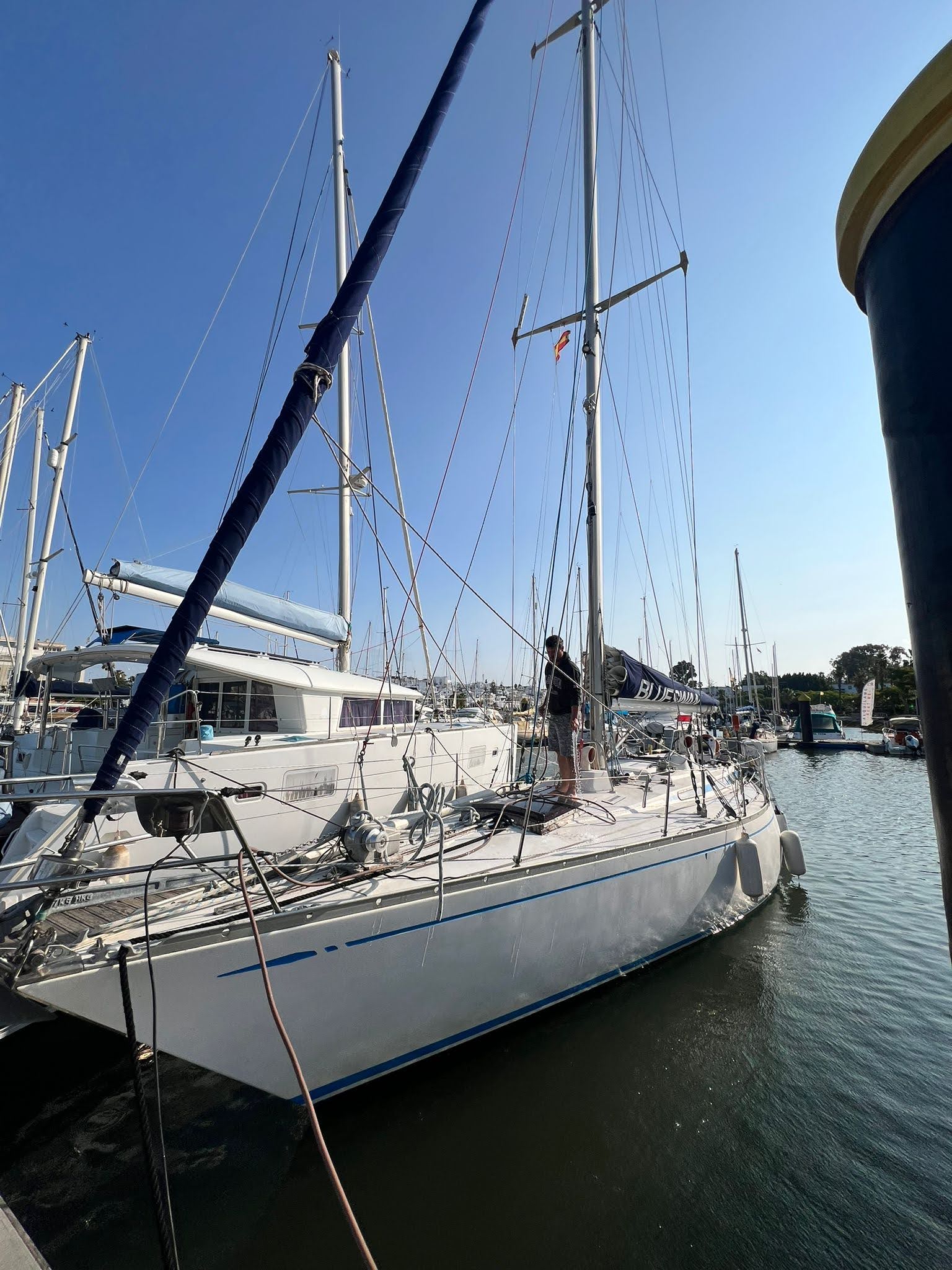
The yacht is normally kept on a mooring buoy. Access to the boat is therefore by a small tender, and we need to consider local tidal conditions when planning daily departures and returns.
For this reason, the daily schedule may vary slightly. Depending on the tides and sailing conditions, we may occasionally need to adjust the course start or end times, including bringing the first day forward or extending the final day.
Indicative Weekly Schedule
The following is a suggested schedule for a typical five-day course:
- Day 1: 09:00 – 17:00
- Day 2: 09:00 – 17:00
- Day 3: 09:00 – 17:00
- Day 4: 09:00 – 17:00
- Day 5: 09:00 – 17:00
Please note that this schedule is indicative and may be adjusted according to tidal conditions, weather and operational requirements.
Our aim is to provide an intensive, enjoyable learning experience that combines structured training with the freedom and adventure of real cruising.
Every day is different, and every mile is an opportunity to learn!
Gallery
Online material
Blog